


Measuring the Mind
Conceptual Issues in Psychology, Psychiatry and Cognitive Science
Conceptual Issues
in Psychology, Psychiatry and Cognitive Science
May 29-31 2027
Abstract submission is now closed.
This event is available both online and in-person
About
Psychology, psychiatry, and cognitive science increasingly rely on sophisticated measurement technologies while remaining tied to inherited assumptions about what is being measured.
Many constructs — emotion, memory, attention, intelligence, disorder — are still treated as if they were stable, homogeneous, mind‑independent natural kinds with latent quantitative essences, even as empirical work reveals pervasive heterogeneity, context‑sensitivity, and replication failure across domains such as affective neuroscience, psychopathology, and social cognition.
At the same time, related debates in the philosophy of biology, metaphysics, and cognitive ontology emphasize conceptual relativity and the need to re‑engineer scientific categories in light of concept‑laden evidence.
This conference asks what follows for measurement and classification if psychological and psychiatric categories are better understood as populations of variable, situated instances or relational patterns in high‑dimensional spaces, rather than as tokens of fixed types.
- How should we think about constructs, latent variables, and diagnostic entities if variation is ontologically primary and averages are statistical abstractions?
- When do our instruments partially constitute the phenomena they purport to detect?
- To what extent do replication “failures” reveal construct instability or ontological mismatch rather than methodological error?
Who is this for?
We invite contributions from philosophy of psychology and psychiatry, philosophy of cognitive science, philosophy of biology, metaphysics and metametaphysics, as well as empirically oriented work in psychology, psychiatry, and neuroscience that engages these conceptual issues.
Topics include, but are not limited to:
cognitive and psychiatric ontology
natural kinds, homeostatic property clusters and relational or internal realism
measurement theory, psychometrics and the “quantitative imperative”
classification and re‑classification in psychiatry and cognitive science (e.g., RDoC, HiTOP)
construct instability and the replication crisis
predictive processing and constructionist theories of mind and emotion
the concept‑ladenness of evidence and data‑driven ontology re‑engineering.
Meet the Speakers

Ingo BRIGANDT
Professor at the Department of Philosophy, University of Alberta, Edmonton, Canada
Representing and Explaining
Cognitive Diversity
View recent work
1. Brigandt, I. (2026). Charles Pence, Integrative promise: explanatory virtues in biology, Springer (Synthese Library), 2025.
2. Brigandt, I. (2025). Human Cognitive Diversity. Cambridge University Press.
3. Brigandt, I. Integration in Biology.
4. Brigandt, I. Different Types of Explanation across Biological Fields.
5. Brigandt, I. (2022). How to philosophically tackle kinds without talking about “natural kinds”. Canadian Journal of Philosophy, 52(3), 356-379.
6. Brigandt, I. Different Types of Explanation across Biological Fields.
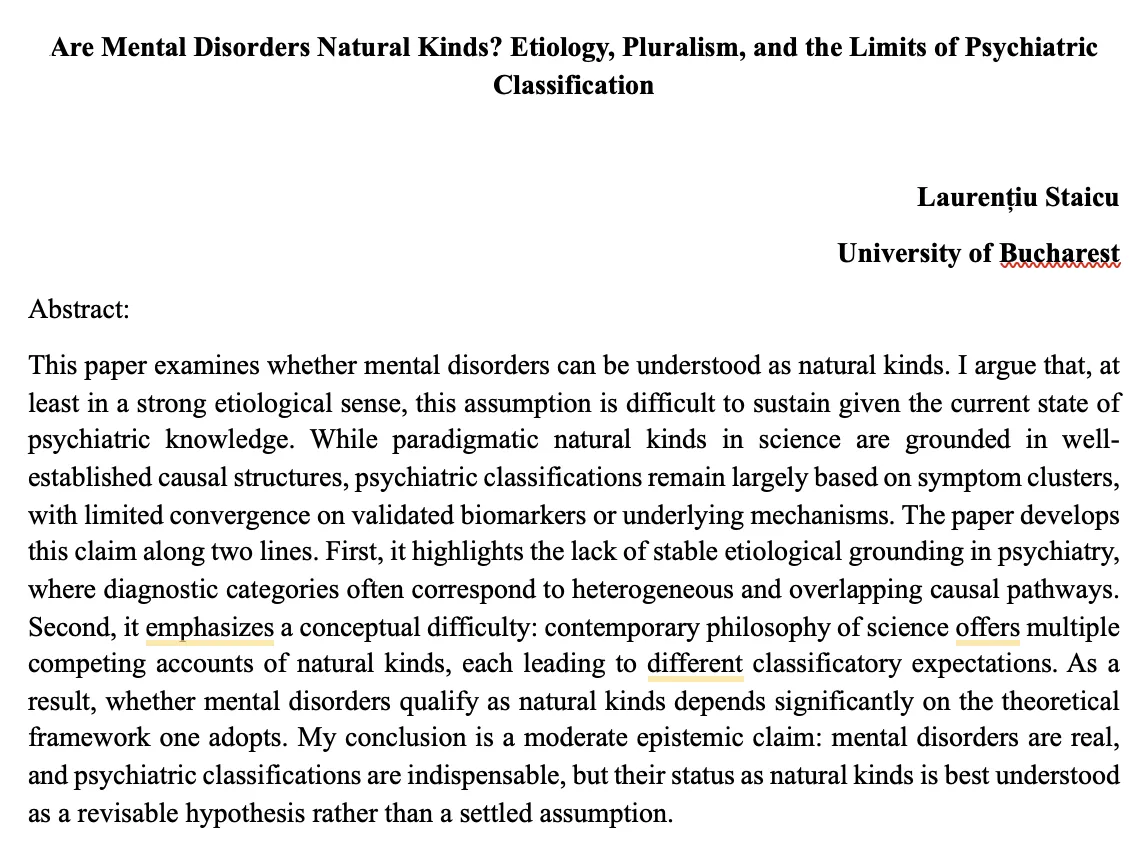

Markus ERONEN
Philosopher of science and Associate Professor at the Department of Theoretical Philosophy, University of Groningen, The Netherlands
Causal Complexity and Psychological Measurement
View recent work
1. Eronen, M. I. (2025). Causal complexity and psychological measurement. Philosophical Psychology, 38(5), 2217-2232.
2. Eronen, M. I., & Ramsey, G. (2025). What are the ‘Levels’ in Levels of Selection?. The British Journal for the Philosophy of Science, 76(2), 495-518.
3. Eronen, M., Osbeck, L., & O’Doherty, K. C. (2024). Should psychology follow the methods and principles of the natural sciences? Introduction to the debate. Theory & Psychology, 34(3), 285-294.
4. Eronen, M., & Bringmann, L. F. (2025). On worms, mirror neurons and explaining human behavior.
5. Eronen, M. I., & Bringmann, L. F. (2021). The theory crisis in psychology: How to move forward. Perspectives on Psychological Science, 16(4), 779-788.
6. Eronen, M. I. (2021). The levels problem in psychopathology. Psychological medicine, 51(6), 927-933.

Jolien FRANCKEN
Assistant Professor in Philosophy of Neuroscience at the Swammerdam Institute for Life Sciences, University of Amsterdam
Cognitive ontology and the search for neural mechanisms: Three foundational problems
View abstract
In this talk I question a central assumption in cognitive neuroscience: The idea that neuroscientific research, by elucidating neural mechanisms of cognitive capacities, will ultimately tell us how we should carve up our taxonomy of the mind (or 'cognitive ontology'). I will show that cognitive neuroscience faces three interlocking conceptual problems that together frame the problem of cognitive ontology. First, they must establish which tasks elicit which cognitive capacities, and specifically when different tasks elicit the same capacity. To address this operationalization problem, scientists often assess whether the tasks engage the same neural mechanisms. But to determine whether mechanisms are of the same or different kinds, we need to solve the abstraction problem by determining which mechanistic differences are and are not relevant, and also theboundary problem by distinguishing the mechanism from its background conditions. Solving these problems, in turn, requires understanding how cognitive capacities are elicited in tasks. These three problems together form a ‘cycle of kinds’ that frames the central problem-space of cognitive ontology. I describe this cycle to clarify the intellectual challenges facing the cognitive ontologist and to reveal the kind of iterative process by which ontological revision in cognitive neuroscience is likely to unfold.
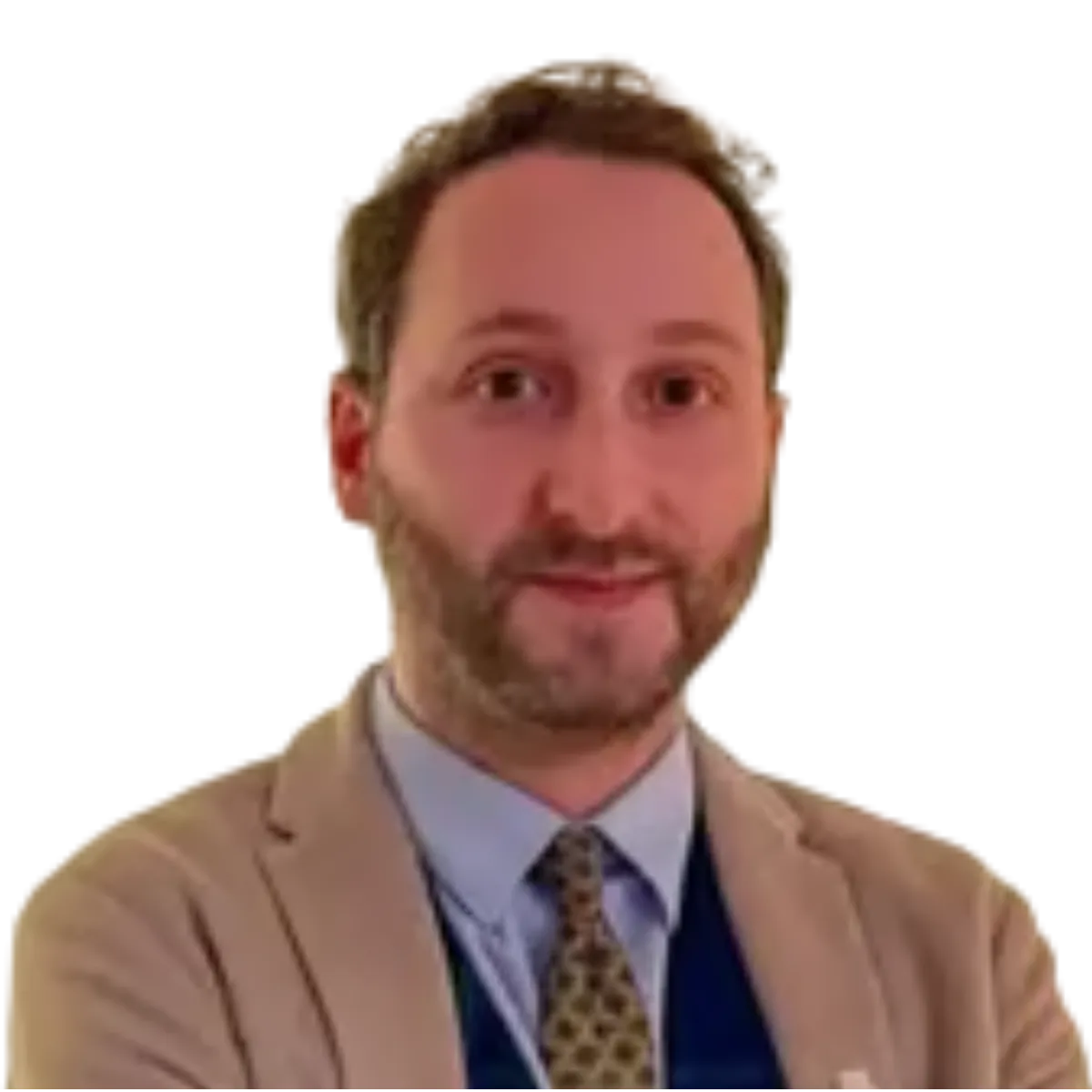
Steven GOUVEIA
PhD in (Neuro)Philosophy, Researcher Fellow of the Mind, Language and Action Group at the University of Porto and Honorary Professor of the Faculty of Medicine, University Andrés Bello, Viña Del Mar, Chile
Measuring Predictive Minds and AIs
View abstract
If minded systems are prediction-generating, self-modeling, world-involving organisms whose states are dynamically shaped by precision-weighting, action, and environmental embedding, then psychological categories are better understood as
relationally stabilized patterns than as fixed inner types. Variation is therefore not merely epistemic disturbance around an underlying essence; it is often ontologically basic. What we call a psychological construct may be less a natural kind in the classical sense than a
provisional mode of tracking recurrent patterns in organism-environment transactions.
From this perspective, measurement is never exclusively neutral with respect to what it measures: our instruments, models, and classificatory practices do not simply discover pre-constituted mental kinds; they participate in the delineation, stabilization, and
sometimes reification of the very phenomena under investigation. This, I suggest, reframes replication failure, construct instability, and diagnostic pluralism: these may
disclose not merely methodological weakness, but a mismatch between type-first ontologies and variation-first reality.
I will conclude by suggesting that contemporary Artificial Intelligence makes this problem especially vivid, since machine classification systems inherit and amplify the ontological
assumptions embedded in psychological measurement itself and, therefore, a predictive
processing framework may provide

Andrei MIU
Cognitive Neuroscience Laboratory, Department of Psychology, Faculty of Psychology and Sciences of Education, Babeș-Bolyai University, Cluj-Napoca, Romania
Emotion and cognition: More similar than different?
View Abstract
Emotions and cognitive processes have traditionally been viewed as separate domains. They have often been contrasted as hot vs. cold, automatic vs. controlled, evolutionarily primitive vs. advanced, and fast vs. slow. This distinction has fuelled dual-system theories, in which tendencies and biases are thought to be driven by emotions, which need to be overridden by higher-order cognitive processes. In this lecture, I will do three things: (1) briefly outline the historical background of the contrast between emotion and cognition, as reflected in the Zajonc–Lazarus debate; (2) illustrate dual-system theories, with a focus on biases in economic decision-making (e.g., Daniel Kahneman’s fast vs. slow thinking) and moral decision-making (e.g., Joshua Greene’s work on moral dilemmas); and, most importantly, (3) challenge the distinction between emotion and cognition, based on evidence supporting appraisal theories of emotion, on the one hand, and the overlap between neural networks involved in emotion and cognition, on the other hand. I will suggest that, in light of recent evidence, the distinction between emotion and cognition needs to be made very carefully, and that dual-system theories should be viewed as overly simplistic and insufficiently supported.

Laurențiu STAICU
Professor of Metaphysics and Philosophy of Biology at the University of Bucharest,
Faculty of Philosophy, Romania
Are Mental Disorders Natural Kinds?
View abstract
This paper examines whether mental disorders can be understood as natural kinds. I argue that, at least in a strong etiological sense, this assumption is difficult to sustain given the current state of psychiatric knowledge. While paradigmatic natural kinds in science are grounded in well-established causal structures, psychiatric classifications remain largely based on symptom clusters, with limited convergence on validated biomarkers or underlying mechanisms. The paper develops this claim along two lines. First, it highlights the lack of stable etiological grounding in psychiatry, where diagnostic categories often correspond to heterogeneous and overlapping causal pathways. Second, it emphasizes a conceptual difficulty: contemporary philosophy of science offers multiple competing accounts of natural kinds, each leading to different classificatory expectations. As a result, whether mental disorders qualify as natural kinds depends significantly on the theoretical framework one adopts. My conclusion is a moderate epistemic claim: mental disorders are real, and psychiatric classifications are indispensable, but their status as natural kinds is best understood as a revisable hypothesis rather than a settled assumption.
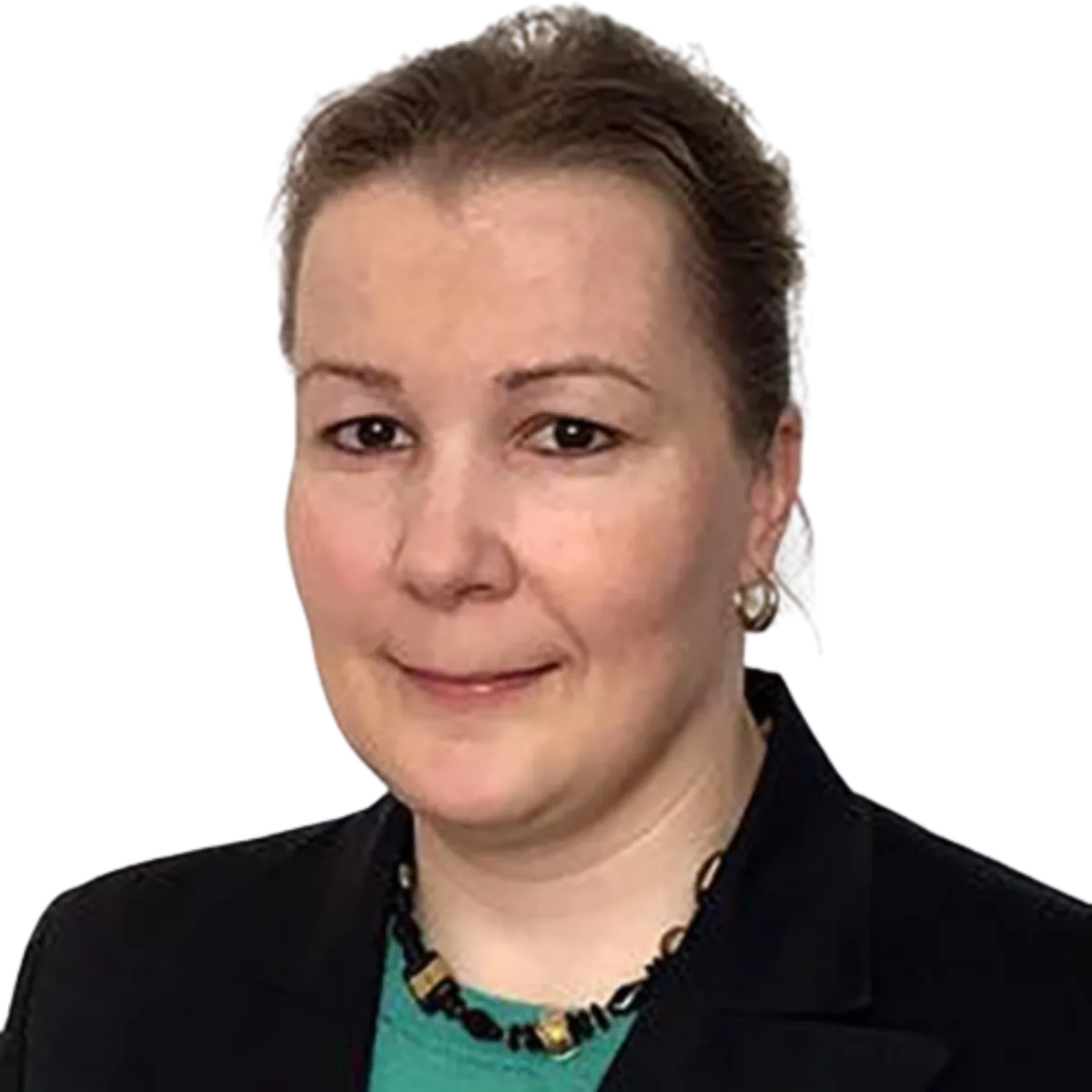
Jana UHER
Associate Professor of Transdisciplinary Research, working at the School of Human Sciences, University of Greenwich, UK
Measuring the mind? Psychometrics versus genuine measurement
View abstract
Quantitative research is regarded the hallmark of modern science because quantification obtained through measurement enabled the successes of physical science. Presuming it could serve as the standard model for all sciences, psychology implemented quantitative methods to 'measure' its study phenomena. In this keynote speech, I will contrast psychometrics—thought to enable the ‘measurement of mind’—with genuine measurement to pinpoint fundamental differences in their underlying philosophy of science. Measurement establishes traceable relations between the empirical study phenomena and the symbolic systems (data) that are used to represent quantitative information about these phenomena. Psychometrics, by contrast, is aimed at discriminating well and consistently between cases (e.g., individuals) and in ways considered important for pragmatic purposes (e.g., social relevance)—yet without establishing traceable relations to the actual study phenomena. These fundamental differences are masked by various challenges that arise from the peculiarities of psychology’s study phenomena—in particular, their abstract nature, non-independency of human mind and the language-based methods that are necessary for their exploration (e.g., rating ‘scales’). These make psychological research prone to various fallacies in which the study phenomena are confused with the means used for their exploration—psychologists’ cardinal error. Using transdisciplinary perspectives, I will elaborate the epistemological foundations and basic methodological principles of measurement and show how these can be used to advance approaches that allow us to obtain traceable and thus, epistemically valid information about human individuals.
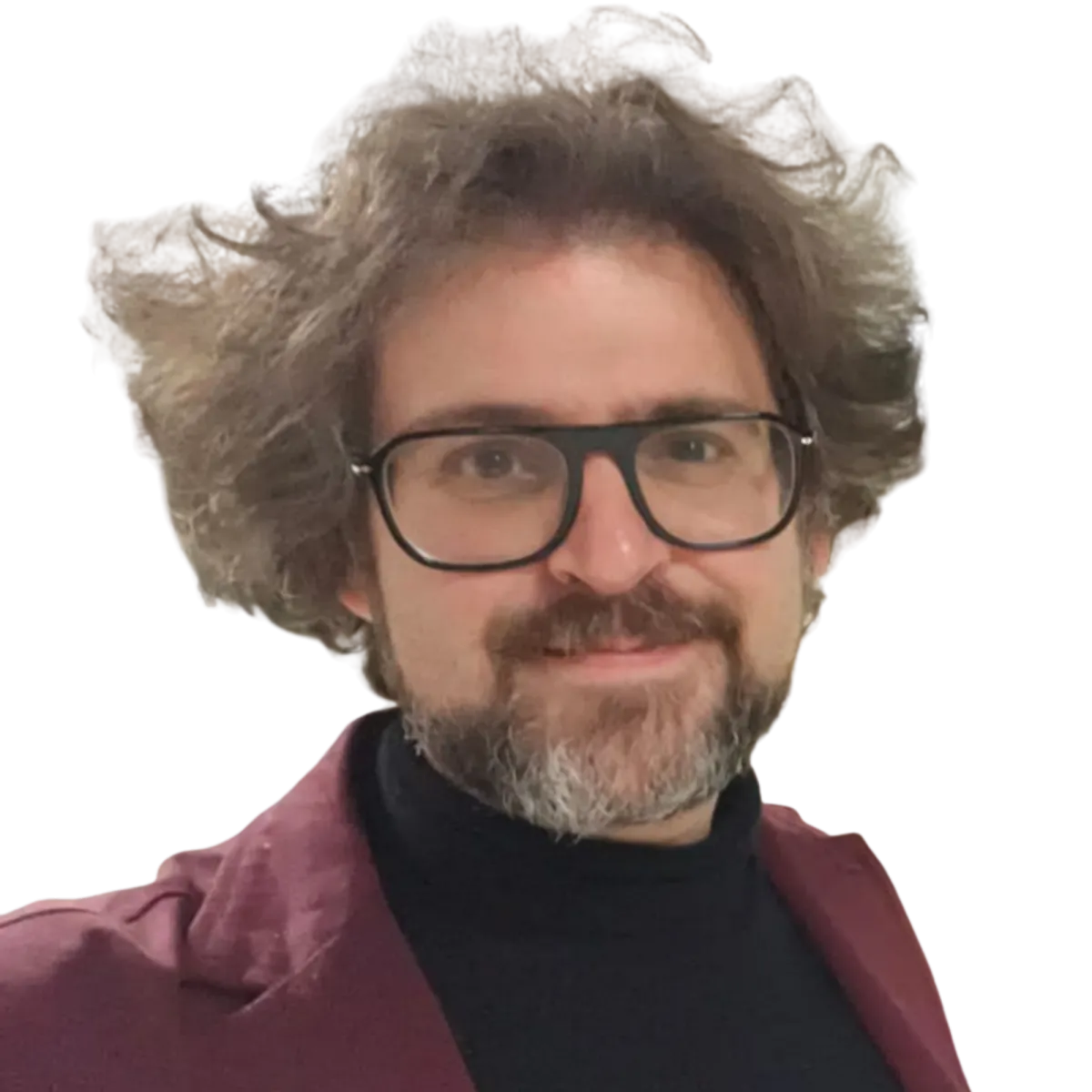
Marco VIOLA
Assistant professor and Researcher at Università degli Studi Roma Tre, Italy
The fox and the grapes. The impact of neuroimaging data on Cognitive Ontology
View abstract
In the early days of cognitive science, the mind was often likened to a computer. Cognitive theories developed largely without concern for the 'hardware'—the brain. This began to change around the 1990s with the rise of functional Magnetic Resonance Imaging (fMRI). Neuroscience started to play a significant role in shaping psychological theories, as researchers sought to map specific cognitive functions onto corresponding neural structures. Some proposed that an ideal neurocognitive theory would feature a perfect one-to-one mapping between functions and structures.
However, such precise mappings have proven elusive. Instead of neat pairings, we find complex, many-to-many relationships. This raises an important question: how can we reconcile the ideal of one-to-one mappings with the current, entangled status of our knowledge?
In this presentation, I will explore four (non-mutually exclusive) approaches that may help us refine our neuro-inspired Cognitive Ontology: (a) We have chosen the wrong structures or functions, and a one-to-one mapping might be found with the correct selections; (b) the one-to-one mapping might be unattainable, and a probabilistic mapping could be a more realistic goal; (c) to achieve one-to-one mapping, our concepts of ‘functions’ and ‘structures’ need to be redefined; (d) One-to-one mappings may exist, but indexed to specific contexts.
Conference Schedule

Day 1

Laurențiu STAICU
Professor of Metaphysics and Philosophy of Biology at the University of Bucharest, Faculty of Philosophy, Romania
Are Mental Disorders Natural Kinds?
09:00 - 10:00 (in person)
Day 1

Markus ERONEN
Philosopher of science and Associate Professor at the Department of Theoretical Philosophy, University of Groningen, The Netherlands
Causal Complexity and Psychological Measurement
10:00 - 11:00 (online)
Day 1
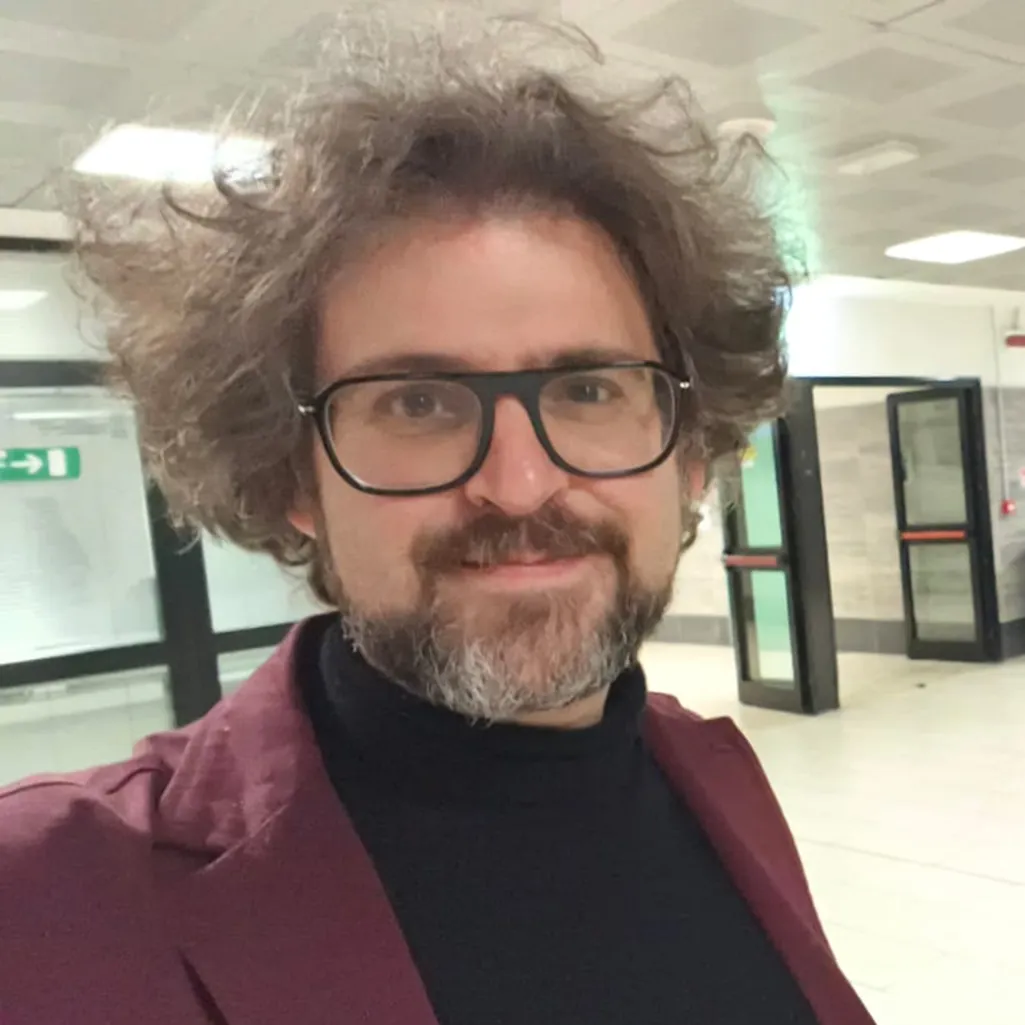
Marco VIOLA
Assistant professor and Researcher at Università degli Studi Roma Tre, Italy
The fox and the grapes. The impact of neuroimaging data on Cognitive Ontology
11:00 - 12:00 (online)
Day 1
Diogo Telles-Correia / Elena Popa
University of Lisbon, Psychiatry Department, Lisbon, Portugal , Universidad de Sevilla, Department of Philosophy, Spain
Competing yet Persistent Paradigms in Psychiatry: Pluralism and the Dynamics of Scientific Change
12:00 - 12:30 (online)
12.30 - 14.00 - Lunch break
Day 1

Jana UHER
Associate Professor of Transdisciplinary Research, working at the School of Human Sciences, University of Greenwich, United Kingdom
Measuring the mind? Psychometrics versus genuine measurement
14:00 - 15:00 (online)
Day 1

Jolien FRANCKEN
Assistant Professor in Philosophy of Neuroscience at the Swammerdam Institute for Life Sciences, University of Amsterdam, The Netherlands
Cognitive ontology and the search for neural mechanisms: Three foundational problems
15:00 - 16:00 (online)
Day 1
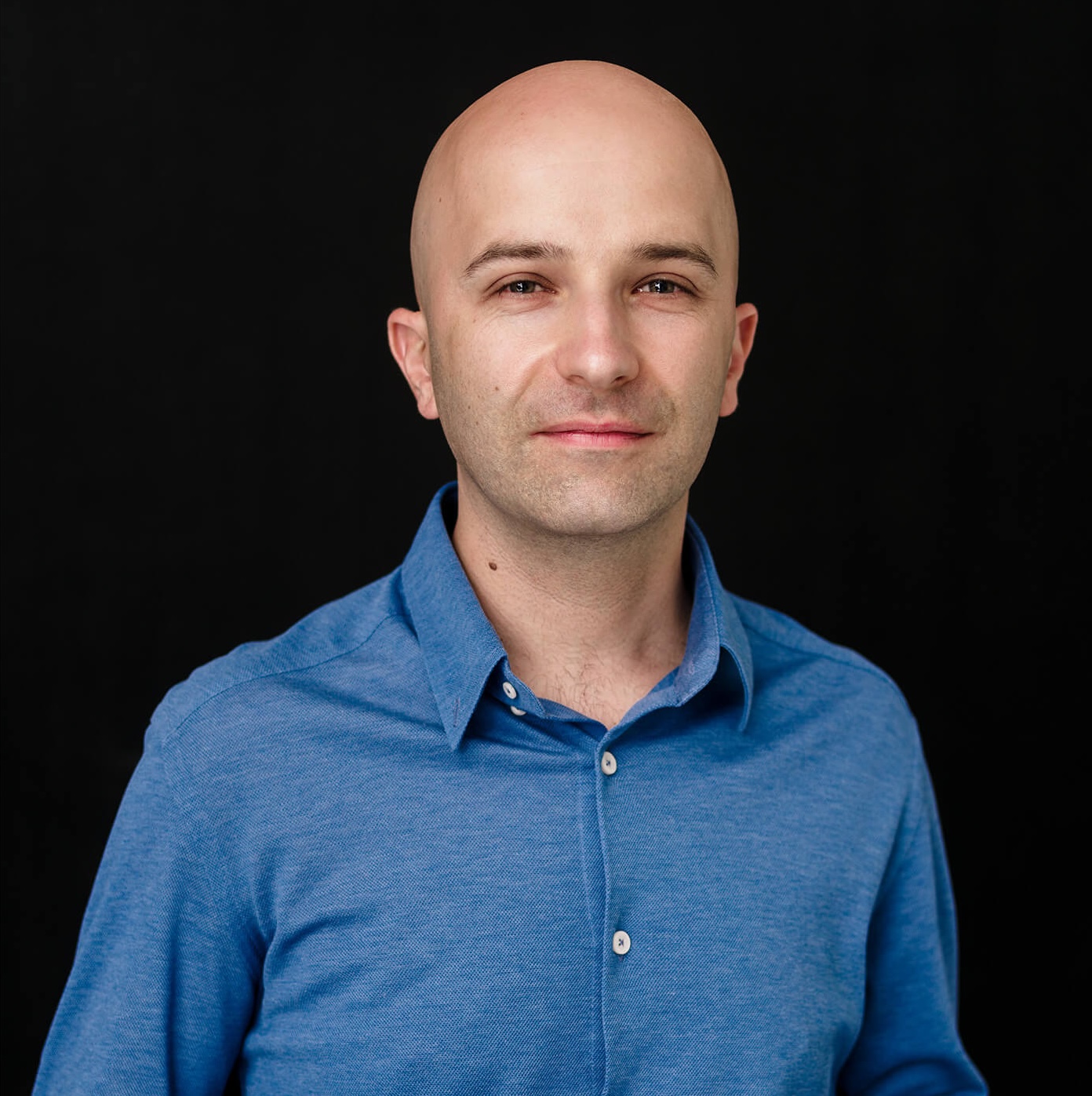
Andrei MIU
Cognitive Neuroscience Laboratory, Department of Psychology, Faculty of Psychology and Sciences of Education, Babeș-Bolyai University, Cluj-Napoca, Romania
Emotion and cognition: More similar than different?
16:00 - 17:00 (in person)
Day 1
Daniela Nica
University of Bucharest, Faculty of Philosophy, Romania
Naïve Realism in Scientific Psychology
17:00 - 17:45 (in person)
Day 1

Steven GOUVEIA
Researcher Fellow of the Mind, Language and Action Group at the University of Porto, Portugal
Measuring Predictive Minds and AIs
18:00 - 19:00 (in person)
Day 2
Aidan Runagall-McNaull
Uehiro Institute, Oxford University, United Kingdom
Dynamic, context-sensitive evaluative attitudes
09:00 - 09:30 (online)
Day 2
Volodymyr Tymoshenko
University of Bucharest, Faculty of Philosophy, Romania
Why Theory of Mind fails as a framework for understanding autism
09:30 - 10:00 (in person)
Day 2
Päivi Häkkinen
University of Eastern, Finland
What Becomes of Identity: Measuring Psychological Constructs – The Case of Shyness
10:30 - 11:00 (online)
Day 2
Eric Lampe
Otto-von-Guericke-Universität Magdeburg, Germany
Metaphysical Commitment and the Explanatory Power of Structuralist Methodologies in the Mind Sciences
11:00 - 11:30 (in person)
12.00 - 14.00 - Lunch break
Day 2
Daniela Nica
Faculty of Philosophy, University of Bucharest, Romania
Variation Thinking in Psychology
14:00 - 14:30 (in person)
Day 2
Cristiano Bacchi / Giacomo Piselli Fioroni
School of Psychology, University of Padua | Berlin School of Mind and Brain, Humboldt-Universität zu Berlin / University of Perugia
What is 'disordered' in 'mental disorder'? Questions of boundaries
14:30 - 15:00 (in person)
Day 2
Kardelen Küçük
The University of Western Ontario, Canada
How Should We Understand Precision in Psychiatry?
15:00 - 15:30 (online)
Day 2
Tobias Sandoval
University of Texas, Austin, United States of America
Background conditions and emotional kinds
16:00 - 16:30 (online)
Day 2
Ilir Isufi
University of Cincinatti, United States of America
What to make of replication failures in linguistic relativity research?
17:30 - 18:00 (online)
Day 2

Ingo BRIGANDT
Professor at the Department of Philosophy, University of Alberta, Edmonton, Canada
Representing and Explaining Cognitive Diversity
18:00 - 19:00 (online)
Day 3 (online only)
Alexandra-Ioana Din
University of Bucharest, Faculty of Philosophy, Romania
Are ToM tests language-biased and anthropomorphized? ToM and LLMs
09:00 - 09:30 (online)
Day 3 (online only)
Ari Belenkiy
The Role of Algebraic Topology in our Intuition of Numbers
Independent researcher
09:30 - 10:00 (online)
Day 3 (online only)
Sorin Moisescu
Faculty of Philosophy, University of Bucharest, Romania
Self-Knowledge and Second-Order Knowledge by the Lens of Sensation
11:00 - 11:30 (online)
Day 3 (online only)
Gina Săndulescu
University of Bucharest, Department of Philosophy, Romania
Measuring Noise Sensitivity. Psychometric Limitations and the Micro-Phenomenological Perspective
12:00 - 12:30 (online)
Organizers
The conference is organized by the Faculty of Philosophy, University of Bucharest, and is open to MA and PhD students, early PhDs and postdocs, as well as established researchers in philosophy of psychology, psychiatry, cognitive science, philosophy of biology, and related empirical fields.

Daniela NICA
Doctoral School of Philosophy, Faculty of Philosophy, UB

Sandra BRÂNZARU
Doctoral School of Philosophy, Faculty of Philosophy, UB
Venue
Faculty of Philosophy, University of Bucharest
Splaiul Independenței, no. 204, Sector 6, 060024, Bucharest, Romania
This event is available both online and in-person
© 2026 Measuring the Mind Confernece - All Rights Reserved
Contact Us
Mail us at: measuringthemindgmail.com